
Publishers Note
Issue #001
February 28, 2026
THE MODERN WEDDING is one of the most emotionally charged and commercially orchestrated events a couple will navigate together, yet its structure is rarely examined. While the finished masterpiece is framed as joyful, the months leading up to it are commonly described as stressful or chaotic. Seldom discussed are the incentives shaping those outcomes and the subtle trade-offs couples accept along the way without fully recognizing them.
The Wedding Editorial documents this environment. Our publication doesn’t focus on trends or aesthetics. We publish to examine the cultural and economic architecture that shapes contemporary weddings, the expectations that accumulate, the inevitability of choice, and the subtle momentum that gradually replaces intention.
We are less interested in spectacle than in pattern. We aim not to diminish celebration or question tradition, but to make visible the structural forces operating beneath them. Our articles isolate pressure points couples commonly face in the months leading up to their wedding and identify the mechanisms behind them.
If you recognize one or more of these pressures, it’s because the dynamics which create them are systemic, not personal. Our goal is to shed light on these systems. Because once something systemic is understood, it no longer operates invisibly.
The Invisible Shift
THE INVISIBLE SHIFT begins with accommodation. Suggestions are offered casually and affectionately. A parent inquires about the guest list, or a relative asks whether a tradition will be included. Questions are genuine, and nothing feels adversarial. Couples imagine a wedding that feels unmistakably theirs. They plan with authorship and pride, in confidence that their day will unfold aligned with their shared values.
Small adjustments rarely feel significant on their own. An additional table is added to avoid excluding extended family, so the venue expands slightly to accommodate. The planner says that the higher headcount comes with a small price increase, and funds are reallocated without hesitation. Somebody suggests extending the reception by half an hour so that guests have more time to mingle, and the timeline adjusts accordingly.
Each individual decision is reasonable. The compromises feel measured, even generous. Seeing extended family could, after all, be meaningful. No single change feels like a departure from the original vision. Collectively, though, these changes start to alter the shape of the event. The shift doesn’t arrive by way of raised voices or ultimatums. It grows with small changes made in the interest of harmony.
Couples reassure themselves that their flexibility is a virtue, that accommodation is part of adulthood, and that their core intention remains in focus. What goes unnoticed is how easily that intention yields to momentum. Family pressure seldom presents as hostility. It’s usually framed as love, enthusiasm, and contribution. “We just want it to be special.” “You’ll regret not inviting them.” “This only happens once.” These sentiments are, in many cases, sincere. Complexity doesn’t lie in anyone’s intention, but in the collision of our unique opinions of what feels “special.”
As extended family, cultural expectations, and long-held traditions enter the planning process, couples gradually become intermediaries. They learn to anticipate sensitivities and manage reactions. Boundaries are softened in order to preserve goodwill. Imperceptibly, their guiding question shifts from “What do we want this to feel like?” to “What will cause the least friction?”
This is the invisible shift.
It isn’t a singular surrender, but the compounding of small adjustments that shift the center of gravity. Originally imagined as the couple’s truest expression of themselves, their wedding now absorbs the expectations of its audience. Guest lists expand without definitive endpoints. Budgets stretch to pay for increased scale. Timelines lengthen to accommodate additional rituals, speeches, and symbolic gestures. Each change is simple, defensible alone, but in tandem produces complexity.
No couple surrenders authorship consciously. These adjustments are made in pursuit of peace, not spectacle. By the time strain becomes noticeable, the wedding has already evolved into something larger. In the absence of defined boundaries, social dynamics naturally expand to fill available space. Weddings, by design, are collaborative. Collaboration invites input, and input, unless intentionally contained, compounds. It’s in this compounding that pressure becomes inevitable.
If this drift feels oddly familiar to you, that’s because it’s common. It’s neither caused by weakness of character or failure of resolve, but instead by the predictable outcome of an environment without structural constraints. Recognition of this pattern doesn’t require confrontation. It requires clarity. And once established, clarity changes what becomes possible next
The Unseen Emotional Labour

LOGISTICS ARE VISIBLE. Emotional labour hides in plain sight. When couples describe wedding planning as exhausting, they often cite the usual suspects: vendors, timelines, budget spreadsheets, and decisions that multiply without warning. These tangible tasks, while numerous, can be itemized, scheduled, and delegated. What drains couples quietly is the work that can’t be put on a spreadsheet. Managing feelings requires energy few anticipate.
Family pressure doesn't always manifest as demands. It often arrives in the form of genuine concern. Emotionally invested parents often recall their own wedding and the details they would change if given another chance. Siblings, perhaps not even married ones, often share opinions framed as helpful perspectives. These interactions can be tiny, and usually, they’re well intentioned. What goes unmeasured is the psychological weight of receiving them.
Each opinion is small, yet none is weightless. To preserve their own sanity, couples begin anticipating reactions before decisions are announced. They rehearse explanations in advance and bend language to “soften the blow”. Priority shifts from decision making to making soft landings. This is how the union itself slides out of focus, replaced by the emotional upkeep of a complex web of family dynamics.
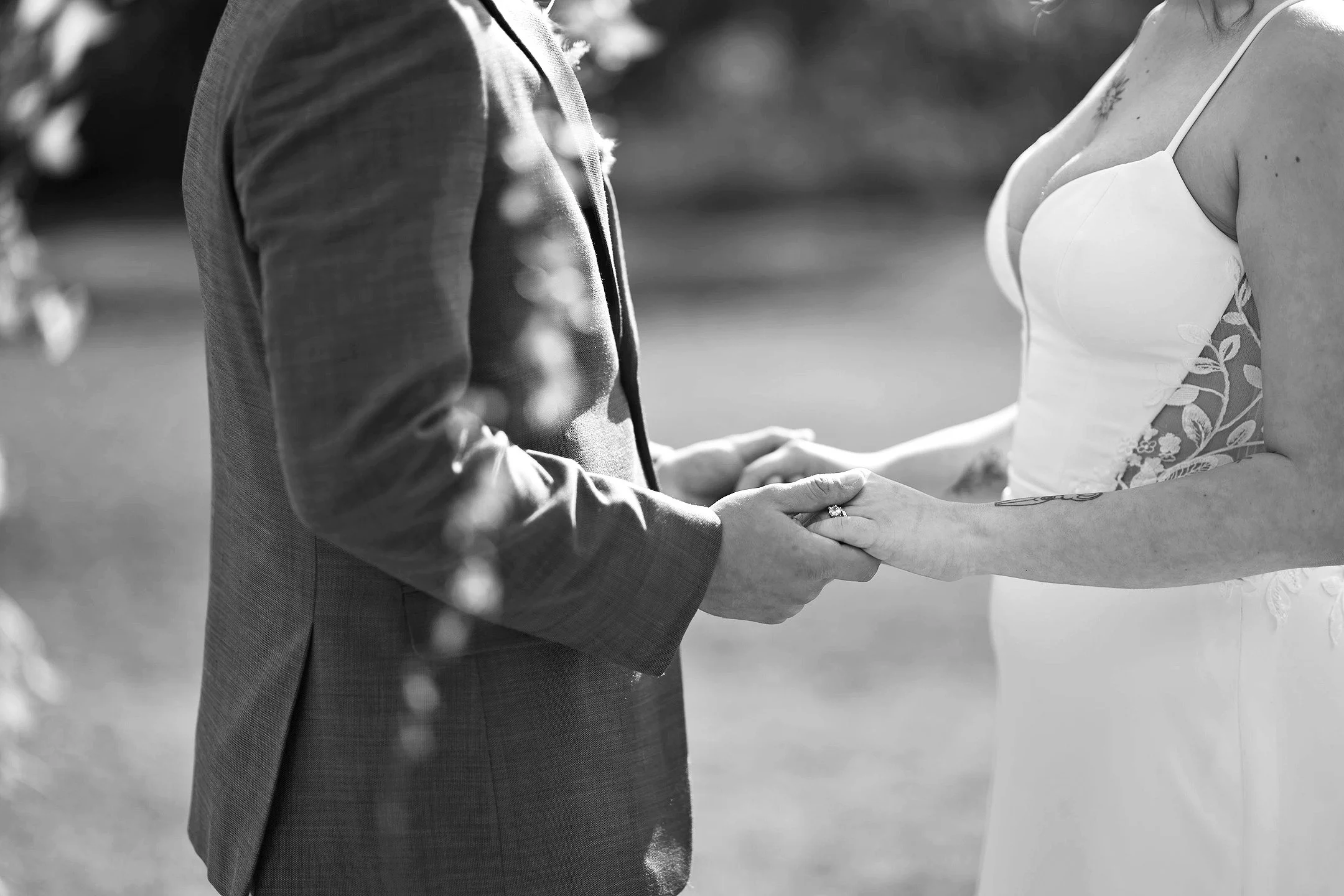
In doing so, they slowly become negotiators of the event rather than its focus. Emotional labour doesn’t announce itself. It’s invisible because it leaves no paper trail. It isn’t quoted and agreed upon preemptively, yet it shapes decisions more powerfully than a budget ever could. Emotion always shapes the wedding, though rarely in the way originally intended. It decides what’s added, removed, and tolerated. The budget follows.
By the time planning fatigue sets in, couples usually assume it’s the logistics that have worn them thin. Disguised as project management, the sustained effort of protecting everyone else’s happiness while sidelining their own takes its toll. In the absence of structural boundaries, the couple becomes the container. When viewed with clarity, their burden is neither a personal failing nor a lack of resilience. It’s the predictable outcome of a social environment that invites participation but offers no boundaries.
Clarity doesn’t eliminate family dynamics. It reframes them. And reframing is the first step toward reclaiming authorship.
See how structure removes emotional labour from the equation.
With all eyes on them, couples’ emotional vigilance gets tested constantly. Boundaries require diplomacy and guest list decisions require narrative. Each choice carries the possibility of someone feeling excluded, neglected, and hurt. Never having signed up for the role, the couple takes on the responsibility of family equilibrium. Even when the topics are far from what they desire, they hesitate to appear ungrateful or disconnected. This disconnect is rarely named.
The cultural narrative surrounding weddings reinforces the idea that inclusion equals love and accommodation equals maturity. No one wants to seem selfish, nor to disrupt long-standing family dynamics. And so they mediate. The result is a redistribution of their energy. Instead of paying attention to each other and the journey on which they’re embarking, they direct it outward. They calculate emotional risk, assess potential fallouts, and choose the path of least resistance.
The Social Guilt Loop
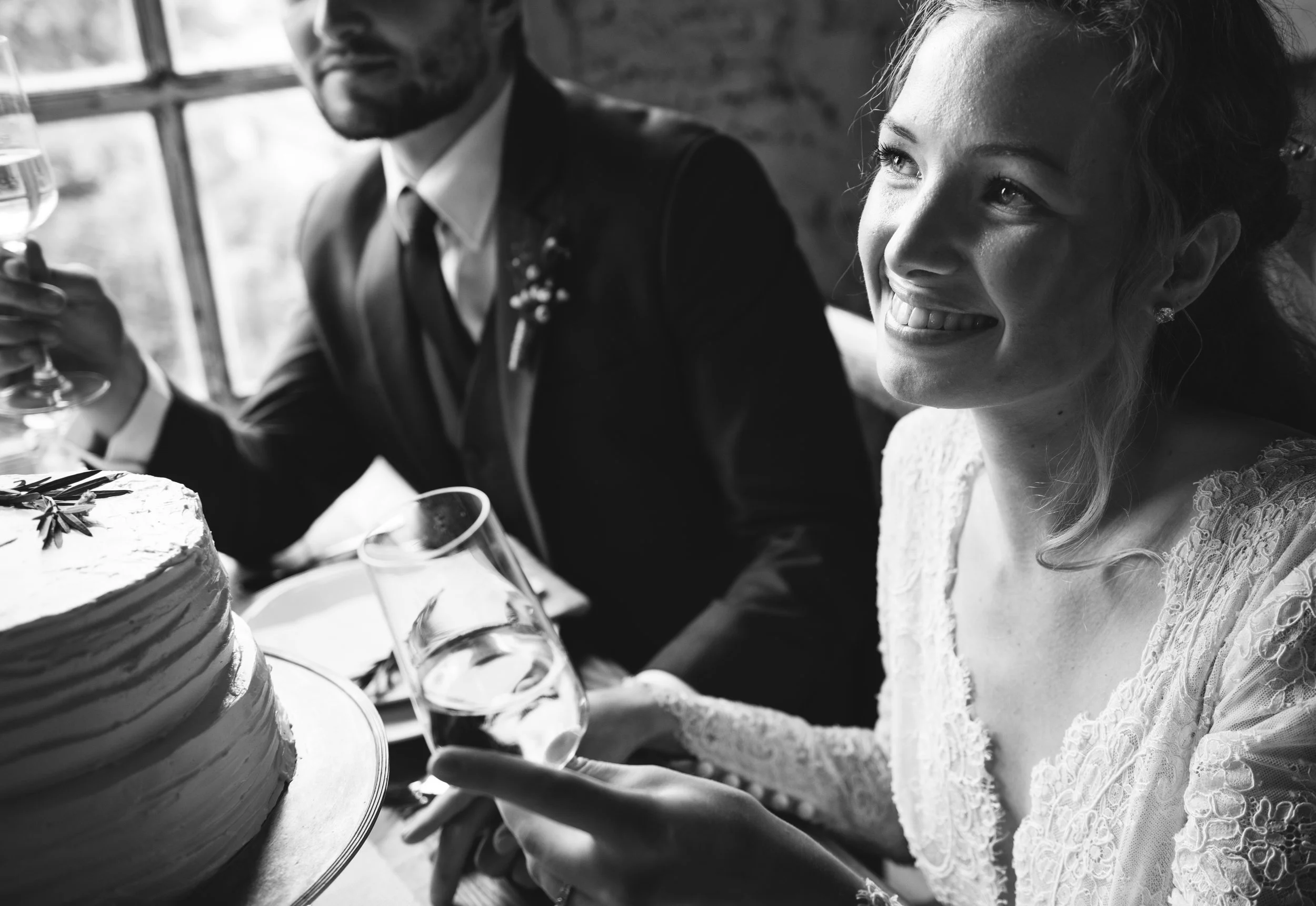
IF ACCOMMODATION IS THE OPEN DOOR and emotional labor is the cost, guilt is what keeps the machine running. Couples are rarely threatened into expanding their wedding. Subtler cues hold decisions in place. There’s a belief that choices made now will echo for decades. “They’ll remember this forever.” “She deserves her dream wedding.” “After everything we’ve done…” These phrases might not be intentionally manipulative, but their gravity is undeniable.
The implication is clear: A wedding isn't merely an event. It’s a display of loyalty, gratitude, and tradition.
Weddings occupy a peculiar position in family culture. They’re framed less as personal milestones and more as symbolic confirmations of belonging, a public expression of private bonds. Who is invited, who speaks, which traditions are honored, and who is centered are all translated into measures of importance. In this light, couples don’t simply plan an event. They draw a map of relational hierarchy.
Temporary unease feels survivable. Long-term resentment doesn’t. The idea that a decision made in pursuit of simplicity might later be remembered as exclusion carries disproportionate weight. No one wants their marriage to begin with a fracture in the family narrative. This is how the social guilt loop forms. A suggestion is made. The couple hesitates. They imagine future holidays colored by reference to what wasn’t done properly. To avoid being perceived as dismissive, ungrateful, or selfish in the future, they concede in the present. Brief, fragile relief follows. Not because the choice felt aligned, but because tension was deferred.
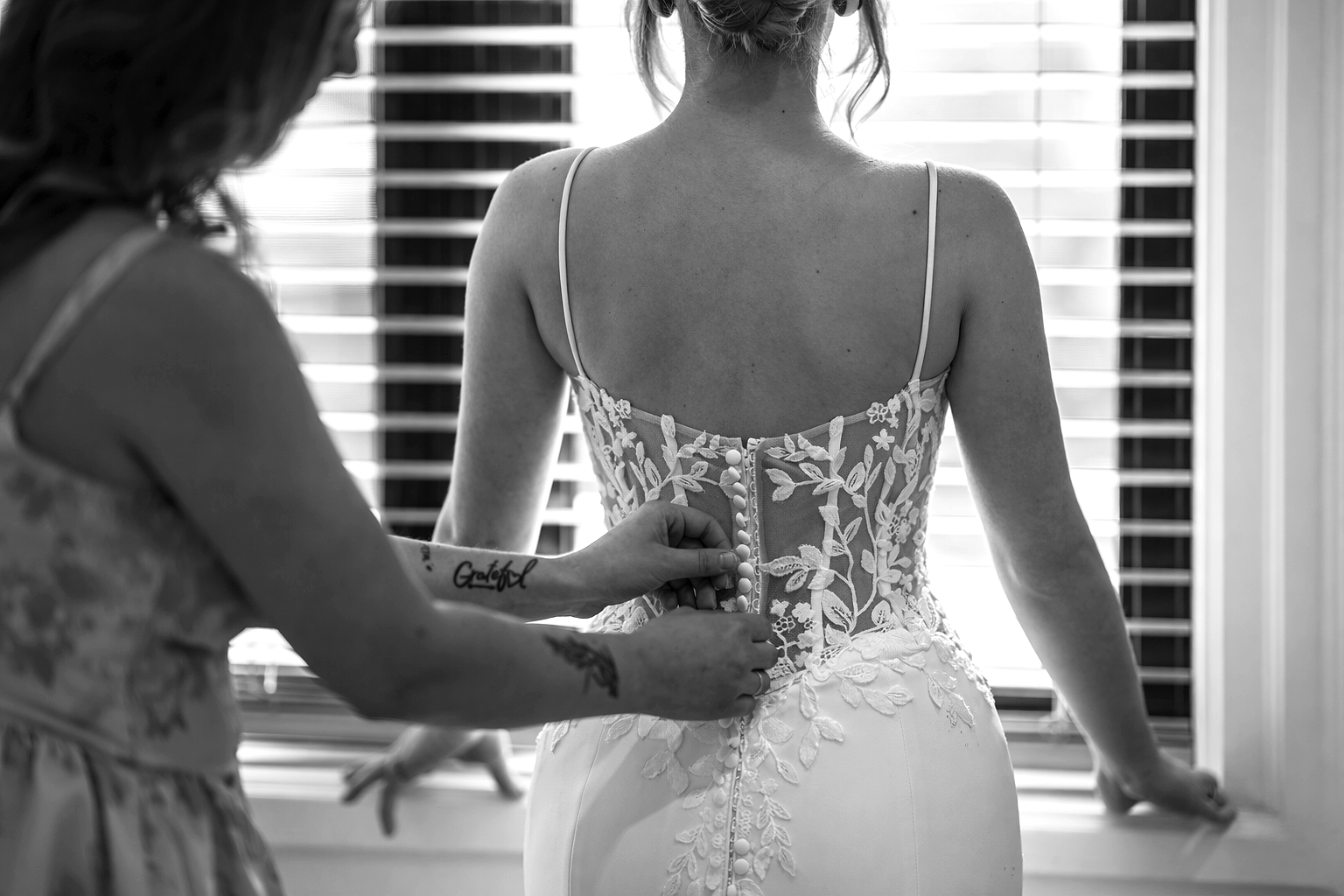
These concessions ease the moment, but reinforce a pattern. The next suggestion arrives more confidently. Boundaries become harder to assert. Each deferral of guilt further signals that collective harmony outweighs the couple's authorship. And so they say yes, not because it feels right, but because it feels safer. In attempting to avoid future regret, they quietly plant it in the present.
Regret is seldom recognized while it’s being created. It’s usually perceived as the product of something left undone or done incorrectly. “What if we should have invited them?” “What if we should have included that tradition?” Rarely do we imagine it stemming from generosity and accommodation. Yet these decisions often become its roots. When their wedding grows beyond what feels natural, couples struggle to name why they feel unsettled. Logistics are usually blamed. The day unfolds beautifully by most visible measures. But long after they’ve recovered from all the planning, many ask themselves: Why does it feel like we should’ve done things differently?
The social guilt loop thrives on the assumption that accepting discomfort today guarantees future peace. In reality it hides regrets in the present moment, masquerading as temporary relief. While protecting everyone else from disappointment, couples slowly displace themselves. Becoming caught in the guilt loop isn’t a character flaw. It’s a predictable outcome of an event that merges intimacy and audience. Weddings are often more public than personal. Without defined boundaries, public opinion begins to outweigh private intention.
When regret is recognized at its source, it can no longer hide behind love. And that recognition shifts everything that follows.
When Nothing Changes
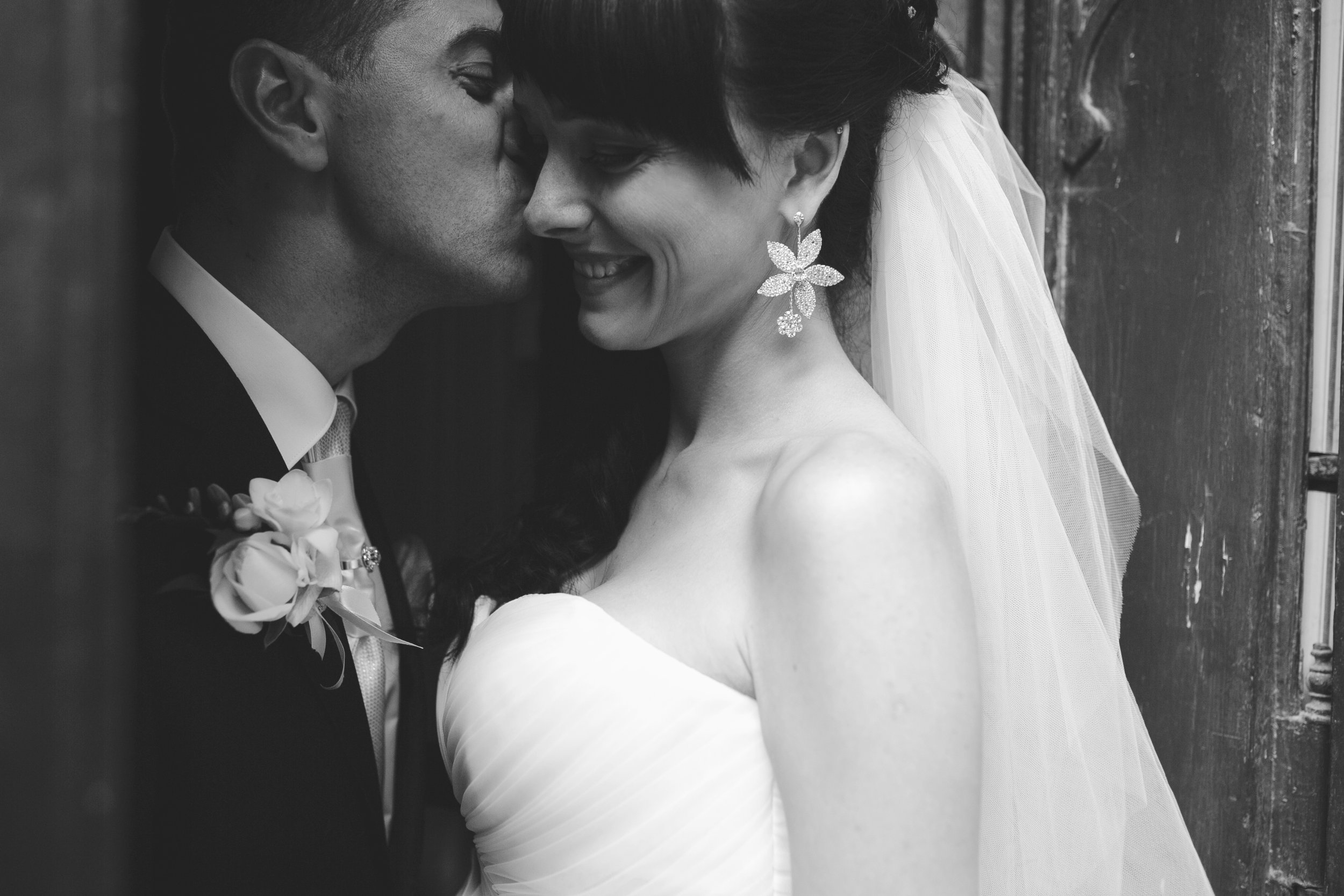
NOBODY WAKES UP one morning and decides to relinquish control of their wedding. They simply continue to walk on a path that stretches further with every step. Intent and vision give way to accommodations and concessions, which gradually become the fabric of the event’s infrastructure. There’s rarely a defining moment when this shift becomes obvious. No single decision appears large enough to warrant alarm. Each addition feels justified by itself, each extension framed as generosity, each inclusion described as thoughtful. A wedding’s architecture evolves not through force, but through continuity. Without defined structures in place, momentum is allowed to complete its work.
The invisible shift destabilizes couples. Emotional labour wears them down. The social guilt loop traps them. These mechanisms don’t operate separately, they’re symbiotic. Accommodation makes expansion possible, emotional labour is harnessed to manage it, and guilt makes it difficult to reverse. The system propels itself because it feels loving, mature, and responsible, even if challenging, at every stage. And so escalation continues, unimpeded.
For some couples, it grows into something impressive and socially successful. The venue is full. The timeline is dense, and traditions are layered. By visible measures, the day is beautiful. Yet beneath the choreography there exists a quiet fatigue. The couple experiences their own celebration as its coordinators rather than its focus. Months later, when reflecting on their wedding, its memory feels respectable but oddly disconnected. It isn’t uncommon for these couples to imagine doing it again in a few years, this time more intimately.
For others, resistance becomes the defining challenge of the engagement. They push back on additions, negotiate boundaries personally, and manage the emotional temperature of every conversation. Their wedding may remain closer to its original vision, but the vigilance required to preserve it leaves its own imprint. Presence is traded for protection. The day arrives not with drift, but with depletion. When looking back, these couples usually remember their wedding as having overcome a difficult quest rather than having celebrated their union. They often describe feeling scarred by the experience.
There are also couples who sense the escalation and attempt to slow it with incremental adjustments. They trim names, shorten elements, and simplify details. This approach often creates feelings of uncertainty and anxiety. By planning their celebration through the lens of exclusion they leave the door open to omitting something they truly wanted, because it didn’t seem essential until it was felt. Yet without fixing the underlying structure, complexity always re-enters through another door. Scale may fluctuate, but the pressure never seems to subside. The pattern adapts rather than dissolves. These couples can feel like they are making all the right decisions in the moment. In hindsight, they often say they wish someone experienced had stepped in and helped them with the structure.
These outcomes differ in appearance, but they share a common premise: the initial format was never reconsidered once momentum began. The underlying structure that allowed escalation was left intact. Weddings don’t become heavy because couples lack courage, consistency, or discipline. They become heavy because collective events expand unless deliberately contained. When expectations accumulate without defined limits, intention competes with public interpretation. In that competition, intention rarely wins by default. If nothing changes, the forces described in these pages do not slow down. They compound.
The consequences can be subtle. They don’t announce themselves in the moment. They surface later as comparison between what was imagined and what unfolded. Or between the intimacy once envisioned and the complexity eventually managed. Regret seldom appears as drama. It appears as a quiet disappointment that something pure was diluted.
It’s commonplace to assume that this outcome is inevitable, that weddings are inherently overwhelming. Yet overwhelm is not a predetermined state. It’s the predictable result of expansion without borders. Cumulative forces do not reverse themselves without intervention. The question, then, is not whether compassion or understanding are present, nor whether family intentions are sincere. It’s whether the structure surrounding their wedding is built to protect the couple’s authorship or to redistribute it outward.
When nothing changes, you don’t get a different outcome. You get a more elaborate version of the same one. Once a pattern has been recognized, continuing it is no longer accidental. The longer a pattern runs, the harder it becomes to interrupt.
See how these patterns are interrupted before they define your wedding.
Final Words - A Question Worth Asking
EVERY WEDDING BEGINS with vision. Before any plans are made, there’s a sense of what the day is meant to hold and what it’s meant to represent. The premise is simple: to stand together and mark the beginning of your marriage in a way that represents you. We aren’t suggesting that families are unkind or that traditions lack value. The pressures described here are rarely malicious; they’re simply cumulative. They form slowly around something deeply personal and, over time, begin to shape it.
What determines whether that shape creates support or distortion is not effort, goodwill, nor budget. It’s structure. Without structure, momentum fills the space and intention has nothing solid to stand on. Momentum does not reverse on its own. Before you continue planning, before another adjustment feels reasonable, and before another compromise is framed as maturity, there is one question worth asking:
Is the current structure of your wedding designed to protect the experience you imagined, or are you relying on discipline alone to keep it from drifting?
How you answer that question will shape every decision that follows.